
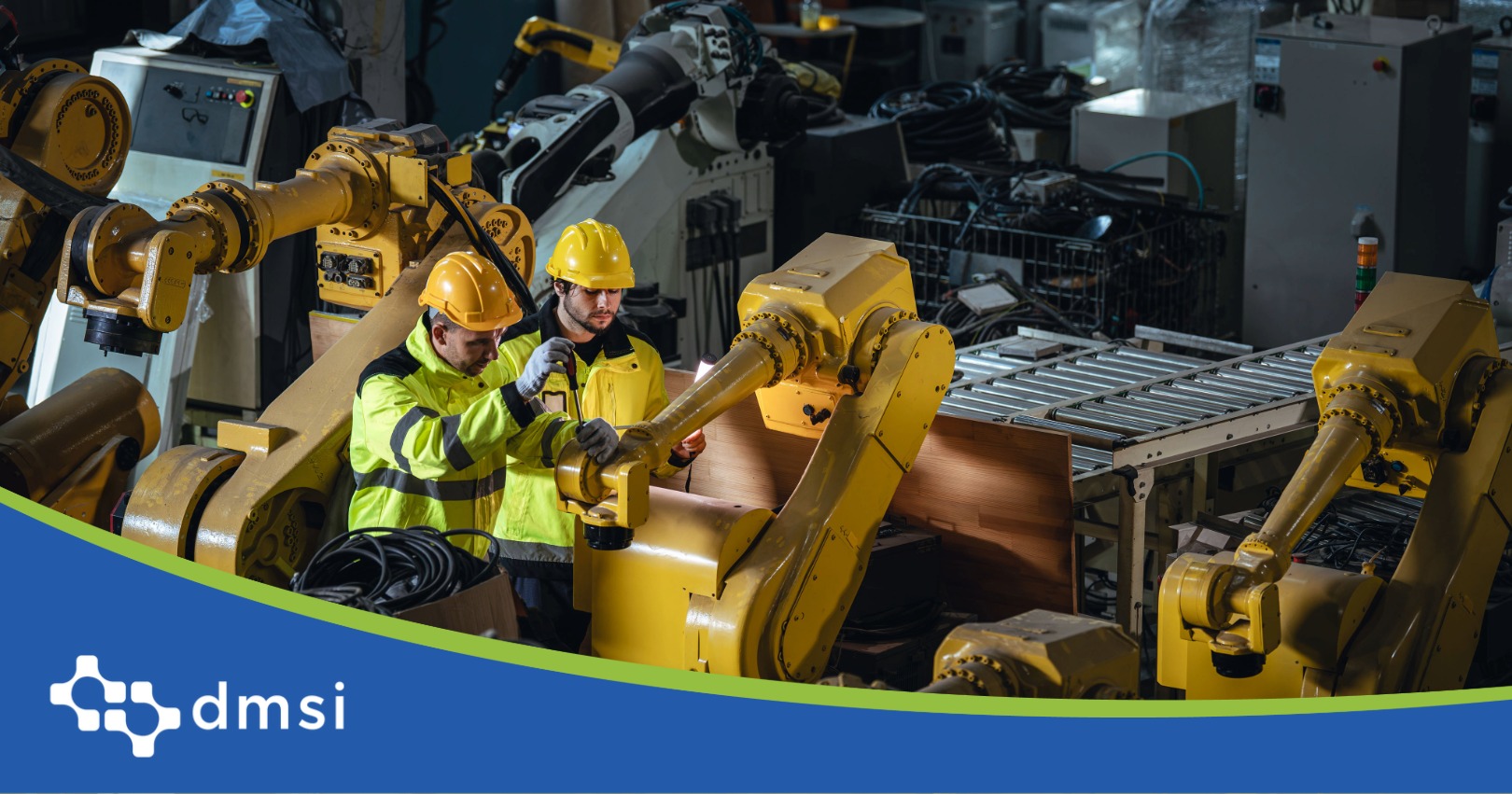
A proper asset inspection and basic care program catches small problems in your plant before they turn into expensive failures, like a valve left closed after a shutdown.
Most plants have some kind of maintenance program, but few catch problems this early, and that’s what Asset Inspection and Basic Care is built for. It isn’t about the most advanced technology on the market. It’s about a structured routine that catches small changes in your equipment before they fail.
Here are five benefits plants see once they put that routine in place.
1. Asset inspection and basic care catch problems before they become failures
The whole point of a routine inspection program is timing. A worn part, a leak, an unusual noise, equipment running hotter than it should. These may seem minor, but if left uninvestigated, they compound into breakdowns that take equipment offline for days instead of minutes.
Consistent, repeatable data collection is what makes early detection possible. One DMSI refinery client saw this firsthand after moving from paper-based inspection rounds to a structured, route-based process with predefined checklists. Before the switch, they were fielding around 80 notifications a week, most of them vague and hard to act on. After the switch, that number dropped to about 2 to 4 a week. Same equipment, same plant, just a more consistent process for catching what mattered.
A predefined checklist covering wear, leaks, noise, vibration, and safety conditions turns inspection into a consistent process, instead of a judgment call left to whoever happens to walk by.
2. Equipment lasts longer
Every asset wears down eventually, but how fast depends a lot on how you treat it in between. Basic care tasks like tightening loose components and catching early wear before it spreads to other parts add real years to equipment life.
This matters most for the assets that are expensive or slow to replace. A motor running a few degrees hotter than it should for months wears out faster than one that gets caught and corrected early. Multiply that across a plant full of equipment, and the lifespan difference adds up fast.
3. Plant safety improves with asset inspection and basic care
Asset inspection and basic care play a bigger role in plant safety than most people think day to day. Equipment overdue for a maintenance check isn’t just a production risk. It’s a safety risk for whoever works near it.
Routine inspections give operators and technicians a structured way to flag safety concerns as part of the job, not as a separate task competing for time. Over time, this builds a plant culture where checking on equipment condition is simply part of how the shift runs, rather than something that only happens after an incident prompts a review.
4. Better communication between maintenance and operations
One of the quieter benefits of a formal asset inspection and basic care program is how it changes the relationship between operations and maintenance teams. Without a shared system, issues get reported inconsistently. Someone mentions something in passing; it doesn’t make it into a work order, and it falls through the cracks.
A standardized inspection process gives both teams a shared source of truth. Findings are documented the same way every time and automatically routed to the right people. Maintenance isn’t hearing about problems secondhand, and operations isn’t left wondering if anything happened after they flagged an issue.
5. Asset inspection and basic care build the foundation for Asset Performance Management
Here’s a mistake we see often. Plants assume that improving their maintenance program means jumping straight to predictive technology like vibration analysis or infrared thermography. That’s a strong long-term goal, but it’s rarely the right starting point for a plant without a formal program.
The plants that get the most out of advanced tools later are the ones that built the basics first. Asset Inspection and Basic Care, meaning consistent, standardized inspections done by the people already on the floor, creates the habits, the data, and the trust in the process that everything else builds on. Once that foundation is solid, moving from basic asset management toward true Asset Performance Management becomes a natural next step rather than a leap.
Where to start
If your plant doesn’t have a formal asset inspection and basic care program yet, the goal isn’t to overhaul everything at once. It’s to get a consistent inspection process running, even a simple one, and build from there. Organizations like PEMAC, Canada’s national association for maintenance, reliability, and asset management, are a good resource as your team builds that knowledge base.
Want the full picture of how Asset Inspection and Basic Care works? Download the DMSI Asset Inspections & Basic Care brochure for a closer look at how MAINTelligence™ and InspectMT™ support it, or book a demo, and we’ll walk you through a practical starting point for your plant.
Download DMSI’s Asset Inspections & Basic Care Brochure
"*" indicates required fields
Frequently Asked Questions about asset inspection and basic care
What is Asset Basic Care?
Asset Basic Care (ABC) is a proactive reliability program in which routine, standardized inspections catch equipment issues like wear, leaks, noise, and vibration before they become failures.
What is Operator Basic Care?
Operator Basic Care is when the operators already running the equipment handle basic inspection tasks as part of their regular routine, rather than leaving all condition monitoring to a separate maintenance team.
What is MAINTelligence™ Inspections?
MAINTelligence™ Inspections is DMSI’s route-based inspection module, run through InspectMT™, that lets teams complete standardized checklists on mobile devices, capture readings and photos, and generate corrective work orders directly from the field.
